Everest three high passes trek
Recommendiation Recommended by 99% of travelers
Trip Facts
Difficulty
Difficulty
Hard to challenging
Max Altitude
Max Altitude
5,545m/18,192ft
Accommodation
Accommodation
Hotel in Kathmandu / Tea houses on trek
Best Season
Best Season
Mar–May & Sep–Nov
Duration
Duration
21 Days
Trip Overview

The Everest region, also known as the Khumbu region, lies on the northeastern side of Nepal within the Solukhumbu district. Crowned by Mount Everest—the highest peak on Earth at 8,848.86 meters—the area is widely considered the "Roof of the World" due to its immense height. Mount Everest itself is situated directly on the international border between Nepal and China. In the Tibetan language, it is known as Chomolungma, which translates to "Goddess Mother of the World."

To preserve the fragile high-altitude ecosystem, the core of the region is protected under the strict conservation guidelines of Sagarmatha National Park, a globally recognized UNESCO World Heritage Site.

Geographically, the elevation of the Khumbu region ranges dramatically from roughly 2,800 meters up to the 8,848.86-meter summit. This rugged terrain is home to world-famous Himalayan villages such as Namche Bazaar, Khumjung, and Pheriche. The area is primarily settled by the indigenous Sherpa and Rai communities, whose lives are deeply intertwined with the mountains. The region seamlessly blends a dramatic high-altitude landscape with a rich, vibrant cultural heritage, beautifully expressed through the many famous Buddhist monasteries located throughout the valley.

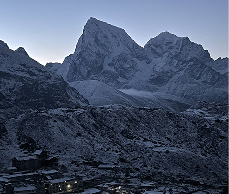
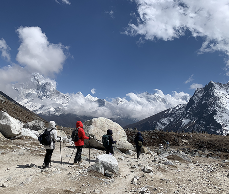
The Everest three high passes trek is the circuit trek of Khumbu region which includes Kongma La, Chola and Renjo La passes. This is one of the challenging trail for hikers with spectacular alpine view of Everest region.

Trip Overview

Day 1

Arrive at Tribhuvan International Airport. A warm Himal Trek Nepal representative will meet you at the terminal gates, present you with a traditional welcome marigold garland, and transfer you directly to your hotel via a private vehicle. After checking in, take the afternoon to rest, rehydrate, and unpack. In the evening, meet your expert licensed trekking guide for an essential pre-departure briefing. We will inspect your high-altitude gear, finalize your national park permits, and thoroughly review the acclimatization and altitude safety protocols required for crossing three 5,000-meter passes.

Day 2

Fly into the mountains. Walk downhill through pine forests alongside the Dudh Koshi River to Phakding.

Day 3

Enter Sagarmatha National Park at Monjo, cross the high Hillary Suspension Bridge, and power up a steep hill to Namche.

Max altitude
Max altitude
3,440m/11,286ft

Day 4

Hike to the Everest View Hotel (3,880m) for your first panoramic mountain views. Return to Namche to rest.

Max altitude
Max altitude
3,880m/12,730ft

Day 5

Trace a high mountainside path, drop down to the river for lunch, and ascend a tough, zigzag trail to Tengboche Monastery.

Day 6

Cross the Imja Khola and trek past Pangboche. Watch the trees fade into wind-swept alpine shrubbery as you enter Dingboche.

Day 7

Hike up Nangkartshang Peak (reaching ~4,800m) for vertical views of Ama Dablam. Return to Dingboche to sleep.

Max altitude
Max altitude
4,800m/15,748ft

Day 8

A short, gentle uphill trek into the high-altitude valley toward Island Peak. This shorter day allows your body to adapt further before the first big pass.

Day 9

The highest and longest pass. Start at 4:00 AM. Scramble up an unrelenting, icy, and rocky slope to the summit. Descend carefully, then navigate across the highly disorienting debris of the Khumbu Glacier to reach Lobuche.

Max altitude
Max altitude
5,535m/18,159ft

Day 10

Hike over glacial moraine to Gorak Shep. Drop bags, push onward across the rocks to the Everest Base Camp boulder, celebrate, and return to Gorak Shep.

Max altitude
Max altitude
5,364m/17,598ft

Day 11

Climb Kala Patthar at dawn for the trek's maximum height and best Everest views. Descend for breakfast, then branch off the main trail toward the quiet outpost of Dzongla.

Max altitude
Max altitude
5,545m/18,192ft

Day 12

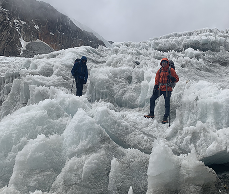
The technical pass. Start at 4:00 AM. Climb steep rock scree, put on your microspikes, and march directly across the solid Cho La Glacier. Scramble down steep boulder fields to Thagnak.

Day 13

Carefully pick your way across the lateral moraine of the massive Ngozumpa Glacier. Arrive early at the pristine, turquoise shores of the Gokyo Third Lake.

Day 14

Flexible rest or optional sunrise climb up Gokyo Ri (5,357m) for a panoramic view of four 8,000-meter peaks (Everest, Lhotse, Makalu, Cho Oyu).

Day 15

The scenic pass. Hike up a winding trail to the summit of Renjo La. Look back for a mind-boggling view of the Gokyo Lakes framed by Everest. Descend down a stone staircase into the remote Bhote Koshi Valley to Marulung.

Day 16

Follow an old, traditional Tibetan trade route downhill along the river. Arrive in Thame, a historic Sherpa village untouched by mass commercial tourism.

Max altitude
Max altitude
3,820m/12,533ft

Day 17

Walk through traditional farming villages and dense rhododendron forests, completing the massive Three Passes loop as you re-enter Namche Bazaar.

Max altitude
Max altitude
3,440m/11,286ft

Day 18

A long final day of walking. Go down the steep Namche hill, cross the bridges, and complete the trek in Lukla.

Max altitude
Max altitude
2,845m/9,334ft

Day 19

Take an early morning flight back to Kathmandu. Transfer to your hotel for a long-awaited hot shower.

Day 20

Free day in Kathmandu for self exploration.

Day 21

Enjoy your final breakfast in Kathmandu. A Himal Trek Nepal representative will pick you up from your hotel in a private vehicle and transfer you to Tribhuvan International Airport exactly three hours before your scheduled flight time, marking the successful conclusion of your ultimate Three High Passes expedition.
Trip Cost
What to Expect
  • 3 nights accommodations during Kathmandu stay in twin sharing basis.
  • Internal Flights & Ground Transit: 1. Round-trip domestic flights between Kathmandu (or Manthali) and Lukla. 2. Airport transfers via private vehicle in Kathmandu and Ramechhap.
  • Required Permits & Fees: 1. Sagarmatha National Park Entry Permit. 2. Khumbu Pasang Lhamu Rural Municipality Local Permit. 3. TIMS (Trekkers' Information Management Systems) card if applicable.
  • Accommodation Along the Trail: 1. Standard twin-sharing rooms in local teahouses or mountain lodges for 17 nights (including remote stops like Chhukung, Dzongla, Thagnak, and Thame).
  • Trekking Support Staff: 1. Salary, insurance, food, accommodation, and equipment for a licensed English-speaking guide. 2. Salary, insurance, food, and accommodation for porters (typically 1 porter shared between 2 trekkers, carrying up to 20–25kg total).
  • Meals on the Trek: 1. Full board meals: 3 meals a day (Breakfast, Lunch, Dinner) chosen from the tea house menu. 2. Post-dinner hot beverages (tea or coffee) or a cup of hot water.
  • Safety Gear: 1. First-aid kit carried by the guide, including an oximeter to monitor oxygen levels daily.
What not to Expect
  • International Travel Costs: 1. International airfare to and from Kathmandu. 2. Nepal Tourist Visa fee (payable in cash USD upon arrival at Tribhuvan International Airport).
  • Single supplementary fee
  • Travel and Emergency Insurance: 1. Mandatory: Travel insurance that explicitly covers emergency helicopter evacuation up to 6,000 meters (most basic plans cap out at 3,000m).
  • Meals before & after trek in Kathmandu & extra stay in Kathmandu hotels other than mentioned above: 1. Hotel up-gradation might cost extra depending on your request.
  • Trail Luxuries & Services (Tea house Add-on): 1. Hot Showers: Gas or solar-heated showers cost between $3 to $7 USD per shower (prices increase with altitude). 2. Device Charging: Power banks, phones, and camera battery charging cost $2 to $5 USD per full charge. 3. Wi-Fi / Connectivity: AirLED or Everest Link Wi-Fi prepaid cards cost roughly $5 to $10 USD for a set amount of data. 4. Drinking Water: Bottled water costs $1 to $4 USD per bottle (it is highly recommended to bring water purification tablets/filters instead).
  • Personal Trekking Gear: 1. Down jackets, sleeping bags, hiking boots, trekking poles, and backpacks (though sleeping bags and jackets can be rented cheaply in Kathmandu for around $1 to $2 a day).
  • Beverages & Snacks: 1. Alcoholic drinks (beer, spirits), specialty coffees, soft drinks, and bakery items at Namche or trail cafes.
  • Tips & Gratitude: 1. Tipping guides and porters is custom and highly expected. The industry standard is roughly 10% to 15% of your total trek cost, pooled together by the group and handed out on the final evening in Lukla.
What to Expect

The Ultimate Khumbu Circuit: Complete the most challenging, comprehensive, and prestigious high-altitude loop in the Everest region.

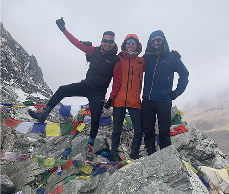
  • Three Legendary Passes: Conquer three formidable 5,000-meter mountain passes: Kongma La (5,535m), Cho La (5,420m), and Renjo La (5,360m).
  • Double Base Camp Excursions: Stand at the footsteps of mountaineering legends at Everest Base Camp (5,364m) and visit the high-altitude launch point of Ama Dablam Base Camp.
  • Triple Summit Viewpoints: Climb three world-class non-technical trekking peaks for unmatched vistas: Kala Patthar (5,550m), Gokyo Ri (5,357m), and Chhukung Ri (5,550m).
  • The Six Gokyo Lakes: Witness the stunning, pristine turquoise waters of the sacred high-alpine lakes embedded in the Ngozumpa Glacier.
  • Four 8,000m Giants: Experience sweeping 360-degree views of Everest, Lhotse, Makalu, and Cho Oyu tracking alongside you throughout the circuit.
  • The Cho La Glacier Cross: Embark on a thrilling, high-adrenaline traverse over the frozen, craggy ice sheet of the Cho La Pass glacier.
  • Remote Sherpa Valleys: Discover isolated, less-traveled cultural outposts like Thame and Lungden, far away from the commercial EBC crowds.
  • Namche Bazaar Capital: Spend strategic acclimatization days enjoying alpine bakeries, gear shops, and mountain pubs in the Sherpa hub.
FAQs

• Best Trekking Seasons: October to November provides the crispest, clearest views of Everest, while March to May brings warmer weather and blooming wildflowers. • Choosing Your Route: Select from our diverse itineraries, ranging from the classic 12-day Everest Base Camp trek to challenging 20-day Three Passes journeys. • Hassle-Free Permits: Avoid the bureaucracy; Himal Trek Nepal handles all paperwork, including your Khumbu Pasang Lhamu municipality card and Sagarmatha National Park permits. • Flight Logistics: Lukla flights frequently redirect to Manthali/Ramechhap airport during peak season; our team manages all your ground transfers and flight rebookings seamlessly.

• Handpicked Teahouses: Stay in vetted, comfortable local lodges featuring twin-sharing rooms, thick blankets, and warm, stove-heated communal dining halls. • Connectivity & Wi-Fi: Use prepaid cards for internet access on the trail, though speeds become highly volatile as you ascend. • Device Charging: Power is predominantly solar-dependent at high elevations; lodges charge a variable fee per device or power bank. • Safe Drinking Water: We utilize commercial purification drops or boiled water for our guests; single-use plastic water bottles are strictly banned in the region. • Porter Support: Trek comfortably with a light day pack while our fairly compensated team porters transport your main duffel bag up to 15kg.

• Fitness Requirements: Everest routes feature steep, sustained climbs; we recommend a demanding fitness regimen focusing on leg strength and cardio 3 months prior. • Altitude Safety: The route crosses extreme altitudes above 5,000 meters; our experienced guides carry oximeters to monitor your oxygen saturation daily. • Required Insurance: Your insurance policy must explicitly cover emergency helicopter evacuation up to 6,000 meters for the Everest region. • Essential Gear List: Bring broken-in hiking boots, a -15°C rated down jacket, a 4-season sleeping bag, and UV-protection sunglasses to combat glacial glare.
Client Reviews
Sent Us Review

Your personal details will not be published.

Plan a Trip

Didn’t find what you were looking for?

So why not plan your own trip. It takes only 2 minutes.
$ 1899 /Per Person
- +
Sujita Ghale
Sujita Ghale
Executive Director
9841265675
More Awesome Trips
Everest Base Camp
Nepal
Everest Base Camp
Duration 15 Days Altitude 5,545m/18,192ft
From
$ 1599
Poon Hill Trek (Annapurna Panorama)
Nepal
Poon Hill Trek (Annapurna Panorama)
Duration 7-8 Days Altitude 3,350m/10,991ft
From
$ 599
Annapurna Base Camp
Nepal
Annapurna Base Camp
Duration 12-13 Days Altitude 4,130m/13,550ft
From
$ 999