Tamang Heritage Trek
Recommendiation Recommended by 99% of travelers
Trip Facts
Difficulty
Difficulty
Easy to Moderate
Max Altitude
Max Altitude
3,165m/10,384ft
Accommodation
Accommodation
Standard Hotels (Kathmandu) & Local Teahouses (Trek)
Activity
Activity
Trekking
Best Season
Best Season
Autumn (Sept–Nov) & Spring (Mar–May)
Duration
Duration
8-9 Days
Trip Overview

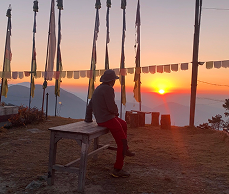
The Tamang Heritage Trail is an exceptional, off-the-beaten-path cultural trekking route in Nepal's Langtang region, that perfectly blends moderate hiking with deep indigenous immersion. Located northwest of Kathmandu in the Rasuwa district, this trail provides an intimate look into the ancient, Tibetan-influenced lifestyle of the Tamang community against the backdrop of the majestic Himalayas.


Step off the crowded tourist paths and into a living museum of Himalayan culture. The Tamang Heritage Trail is a community-based tourism initiative designed to showcase the authentic traditions, craftsmanship, and ancient history of the Tamang people. This moderate trek weaves through terraced farmlands, dense rhododendron forests, and century-old stone villages untouched by modern waves.

Historically a key corridor for the ancient salt trade between Nepal and Tibet, the region proudly preserves a unique social fabric heavily steeped in Tibetan Buddhism. It is the perfect trek for culture enthusiasts, families, and beginner hikers who want jaw-dropping Himalayan views without ascending to extreme, high-altitude terrain.

Trip Overview

Day 1

Arrive at Tribhuvan International Airport. A Himal Trek Nepal representative will meet you at the terminal and transfer you to your hotel. After checking in, take time to rest. In the evening, meet your licensed trekking guide for your pre- departure briefing. Sort out gear, finalize last-minute preparations, and ask questions before departure.

Max altitude
Max altitude
1,400m/4,593ft

Day 2

Your Himal-trek adventure begins with an early morning scenic drive from Kathmandu. We snake along the deep valleys of the Trishuli River, passing terraced farmlands and bustling local towns. As the road climbs higher, you will catch your first glimpse of the snow-capped Ganesh Himal before arriving at Syabrubesi, the gateway hub to the Langtang region.

Max altitude
Max altitude
1,550m/5,085ft

Day 3

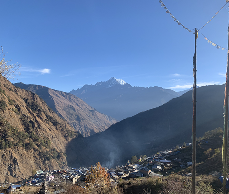
Today we begin hiking with a steady ascent up to Bahun Danda. The trail passes through small settlements where you will interact with rural mountain communities. We then descend into Gatlang, a massive and beautifully preserved traditional Tamang village. The houses here are famous for their intricate wooden carvings and stone-shingle roofs. You can spend your evening visiting the sacred black lake (Parvati Kunda) or watching local women create traditional wool garments on handlooms.

Max altitude
Max altitude
2,238m/7,343ft

Day 4

We descend past beautiful stone walls and terraced fields down to the Chilime River. After crossing a suspension bridge, we begin a steady climb through forests populated by grey langur monkeys. We arrive mid-afternoon at Tatopani (which literally translates to "Hot Water"). Here, you can spend your late afternoon soaking your tired muscles in the natural geothermal hot springs, a deeply relaxing ritual shared with the local community.

Max altitude
Max altitude
2,607m/8,553ft

Day 5

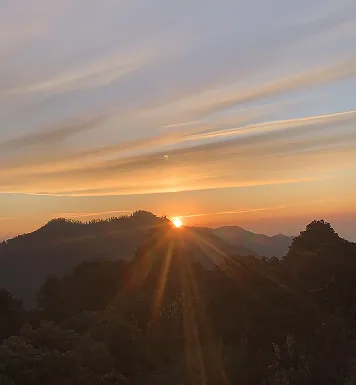
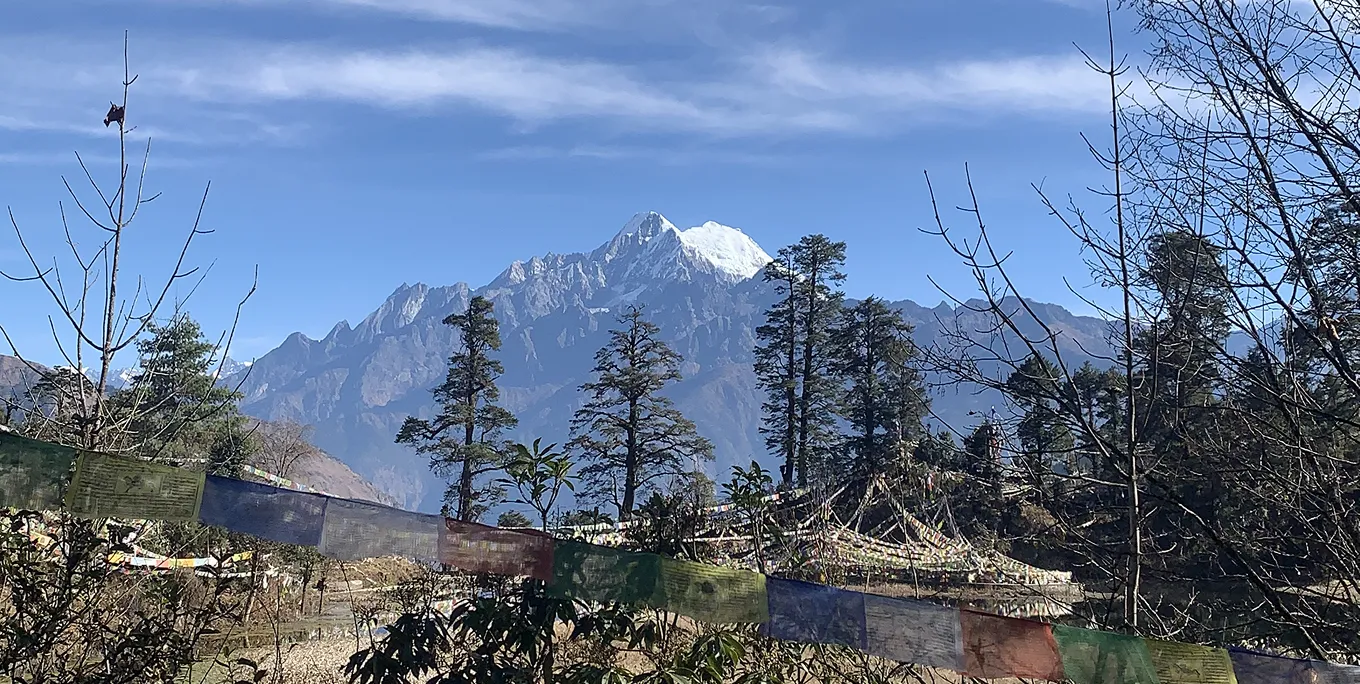
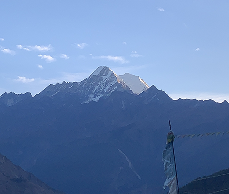
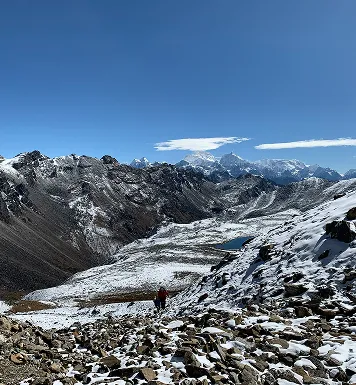
This is the highest and most panoramic day of your trek! We climb through lush rhododendron forests up to Nagthali Danda, a wide-open grassland ridge. From here, you will experience an unparalleled, 360-degree view of Langtang Lirung, the entire Ganesh Himal range, and the rugged mountains of Tibet. After soaking in the views, we descend into Thuman, a vibrant village heavily influenced by Tibetan Buddhism where you will hear the evening chants from the local monastery.

Max altitude
Max altitude
3,165m/10,384ft

Day 6

Today's hike takes us down toward the Bhote Koshi River, tracing old trade routes that historically connected Nepal and Tibet. We pass through Timure, located near the ancient border fort of Rasuwagadhi. After lunch, the trail climbs gently through terraced hillsides to Briddim, a postcard-perfect village. Here, we stay in a classic community homestay, where you will eat home-cooked dal bhat and share stories by the hearth with your host family.

Max altitude
Max altitude
2,229m/7,313ft

Day 7

Our final day on the footpaths is a pleasant, mostly downhill walk. We descend through terraced farmlands, cross suspension bridges over rushing mountain streams, and hike past small waterfalls. The trail loops right back into Syabrubesi. We celebrate the completion of our trek with a hot shower and a celebratory dinner with our guides and porters.

Max altitude
Max altitude
2,229m/7,313ft

Day 8

Drive back to Kathmandu and rest of the day free to relax.

Max altitude
Max altitude
1,400m/4,593ft

Day 9

Enjoy your final breakfast in Kathmandu. A Himal Trek Nepal representative will pick you up from your hotel and transfer you to Tribhuvan International Airport exactly three hours before your scheduled flight time, marking the conclusion of your journey.
Trip Cost
What to Expect
  • 2 nights accommodations during Kathmandu stay in twin sharing basis.
  • Internal Ground Transfer (From & Kathmandu/Sybrubesi)
  • Required Permits & Fees: 1. Langtang National Park Entry Permit. 2. TIMS (Trekkers' Information Management Systems) card if applicable.
  • Accommodation Along the Trail: 1. Standard twin-sharing rooms in local tea houses or mountain lodges for 6 nights.
  • Trekking Support Staff: 1. Salary, insurance, food, accommodation, and equipment for a licensed English-speaking guide. 2. Salary, insurance, food, and accommodation for porters (typically 1 porter shared between 2 trekkers, carrying up to 20–25kg total).
  • Meals on the Trek: 1. Full board meals: 3 meals a day (Breakfast, Lunch, Dinner) chosen from the teahouse menu. 2. Post-dinner hot beverages (tea or coffee) or a cup of hot water.
  • Safety Gear: 1. First-aid kit carried by the guide, including an oximeter to monitor oxygen levels daily.
What not to Expect
  • International Travel Costs: 1. International airfare to and from Kathmandu. 2. Nepal Tourist Visa fee (payable in cash USD upon arrival at Tribhuvan International Airport).
  • Single Supplementary fee
  • Travel and Emergency Insurance: 1. Mandatory: Travel insurance that explicitly covers emergency helicopter evacuation up to 6,000 meters (most basic plans cap out at 3,000m).
  • Meals before & after trek in Kathmandu & extra stay in Kathmandu hotels other than mentioned above: 1. Hotel up-gradation might cost extra depending on your request.
  • Trail Luxuries & Services (Tea house Add-on): 1. Hot Showers: Gas or solar-heated showers cost between $3 to $7 USD per shower (prices increase with altitude). 2. Device Charging: Power banks, phones, and camera battery charging cost $2 to $5 USD per full charge. 3. Wi-Fi / Connectivity: Wi-Fi prepaid cards cost roughly $5 to $10 USD for a set amount of data. 4. Drinking Water: Bottled water costs $1 to $4 USD per bottle (it is highly recommended to bring water purification tablets/filters instead).
  • Personal Trekking Gear: 1. Down jackets, sleeping bags, hiking boots, trekking poles, and backpacks (though sleeping bags and jackets can be rented cheaply in Kathmandu for around $1 to $2 a day).
  • Beverages & Snacks: 1. Alcoholic drinks (beer, spirits), specialty coffees, soft drinks, and bakery items or trail cafes.
  • Tips & Gratitude: 1. Tipping guides and porters is custom and highly expected. The industry standard is roughly 10% to 15% of your total trek cost, pooled together by the group and handed out on the final evening.
What to Expect

Trip Highlights

  • Authentic Homestays: Stay directly with local families in traditional stone-and-wood houses to experience true mountain hospitality.
  • Tibetan-Buddhist Heritage: Explore century-old monasteries, sacred mani walls, and vibrant prayer wheels.
  • Panoramic Mountain Views: Gaze at towering snow-capped peaks including Langtang Lirung, Ganesh Himal, and Shishapangma.
  • Ancient Trade Routes: Walk along the historic paths once traveled by Tibetan salt traders near the Rasuwagadhi border fort.
  • Tatopani Hot Springs: Relax your muscles in the geothermal waters of Tatopani. Note: The main springs shifted due to the 2015 earthquake, but local bathing areas remain a restorative highlight.
  • Pristine Biodiversity: Hike through the protected, wildlife-rich forests of Langtang National Park.
FAQs

• Moderate. It is a great trek for beginners and families. • Trail Style: Well-defined paths, but features steep stone staircases. • Fitness Needed: Regular cardio exercises a month before the trip is enough.

• 3,165 meters (10,383 feet). This is at the Nagthali Danda viewpoint. • Risk: The risk of Acute Mountain Sickness (AMS) is very low here.

• TIMS Card: Trekkers' Information Management Systems card (approx. $20 USD). • Langtang National Park Permit: Entry fee for the protected area (approx. $27 USD). • Rule: You must carry these paper permits at all trail checkpoints.

• Yes. Under Nepal's updated trekking regulations, independent solo trekking is restricted in national parks. • Requirement: You must hire at least one licensed guide or porter through a registered agency.

• Teahouses and Homestays. You will stay in basic, locally-run wooden or stone lodges. • Rooms: Twin-sharing rooms with foam mattresses, pillows, and thick blankets. • Toilets: Mostly shared, squat-style toilets, though some places offer western-style flush toilets.

• Yes, but limited. Most villages have solar or hydroelectric power to charge gadgets. • Cost: Charging phones/cameras costs $1–$3 USD per device. • Internet: Wi-Fi is available at some teahouses for a small fee, but cellular networks (Ncell/Nepal Telecom) can be unstable.

• Spring (March to May): Best for blooming rhododendron forests and wild flowers. • Autumn (September to November): Best for crystal-clear mountain views and post-monsoon weather. • Winter/Summer: Winter is too cold with snow; summer brings heavy monsoon mud and leeches.

• Dal Bhat: The traditional Nepali dish of rice, lentil soup, and vegetable curry (unlimited refills). • Other Options: Fried noodles (Chowmein), momo dumplings, pancakes, porridge, eggs, and pasta. • Meat: Rarely available or fresh on the trail; eating vegetarian is highly recommended.

• Best Trekking Seasons: October to November offers spectacular autumn clarity, while March to April features vibrant rhododendron forests in full bloom. • Choosing Your Route: Select from a quick 7-day Langtang Valley trek or extend your journey into the sacred Gosainkunda Lakes or Helambu circuit. • Hassle-Free Permits: Skip the lines as Himal Trek Nepal handles all paperwork, including your mandatory Langtang National Park entry permit and TIMS card. • Easy Trail Access: Unlike Everest or Annapurna, Langtang requires no domestic flights; we provide private overland transport directly from Kathmandu to the trailhead at Syabrubesi.

• Handpicked Teahouses: Stay in vetted, newly rebuilt local lodges featuring cozy twin-sharing rooms and warm, hospitable Tamang and Tibetan-style communal dining halls. • Connectivity & Wi-Fi: Paid Wi-Fi networks are available in major hubs like Kyanjin Gompa, but mobile signals are unreliable and drop frequently inside the deep valley gorge. • Device Charging: Power is available via local hydro-electricity or solar energy; lodges typically charge a small fee per device to plug in. • Safe Drinking Water: We provide properly treated or boiled safe water daily; minimizing single-use plastic bottles is vital for preserving this pristine ecosystem. • Porter Support: Enjoy the trek with a light day pack while our fairly compensated team porters securely transport your main trekking luggage.

• Fitness Requirements: Langtang features a steady, gradual ascent but includes steep climbing days; a moderate fitness level with basic cardio training is ideal. • Altitude Safety: The valley rises safely but finishes high at Kyanjin Gompa (3,870m) and optional viewpoints above 4,700m; our guides closely monitor your acclimatization pacing. • Required Insurance: Your travel insurance policy must explicitly cover emergency helicopter evacuation up to 5,000 meters for peace of mind. • Essential Gear List: Pack sturdy trekking boots, a warm fleece layer, a down jacket, a 4-season sleeping bag, and a quality waterproof shell.
Client Reviews
Sent Us Review

Your personal details will not be published.

Plan a Trip

Didn’t find what you were looking for?

So why not plan your own trip. It takes only 2 minutes.
$ 599 /Per Person
- +
Sujita Ghale
Sujita Ghale
Executive Director
9841265675
More Awesome Trips
Makalu Trek
Nepal
Makalu Trek
Duration 16-19 Days Altitude 5,350m/17,552ft
From
$ 2499
Rara Lake Trek: Nepal’s Deep Blue Hidden Paradise Guide
Nepal
Discover Lower Annapurna (by Ker & Downey)
Nepal
Discover Lower Annapurna (by Ker & Downey)
Duration 8 Days Altitude 2,012m/6,601ft
From
$ 1599